Our designer always misses deadlines. That's why he's the best
My name is Kirill Pukshto, I'm the CEO of Section 228. Dmitry drew almost everything you see from us: the website, the video on the home page, our decks, business cards, the first screens of our product RollDrop. We've known each other for more than ten years, and I've never met a better designer. Here's his story, how we do design, and a little about deadlines.
How it all started
Dmitry studied at a telecommunications university, to become a communications engineer, not a designer. While still a student, he made a collage of a friend of ours who loved "Carefree Angel" by the band Aria. I looked at it and realized: this guy has a talent for creative work. Later it turned out he had one for design too. In 2016 he was already taking someone else's app apart for me, piece by piece.
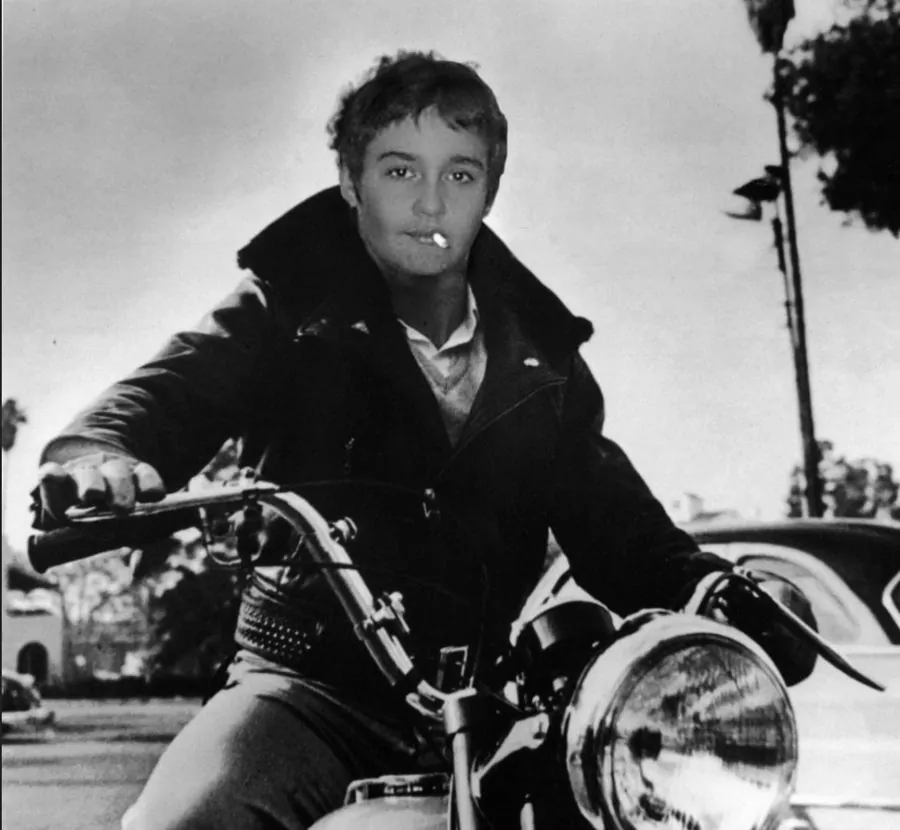
“this isn’t UX. If you have to hold the button, at least put it in the center”
DDmitry, 2016
center it!
In 2017 we got our first joint projects: I brought in clients, Dmitry designed websites and landing pages. Back then I wrote to him: "you're the designer here, not me".
Why the deadlines slip
In the autumn of 2024 I asked him to redesign the Section 228 website. Dmitry didn't start with a picture. He started with a question: "what do you want to tell the world through your business?"
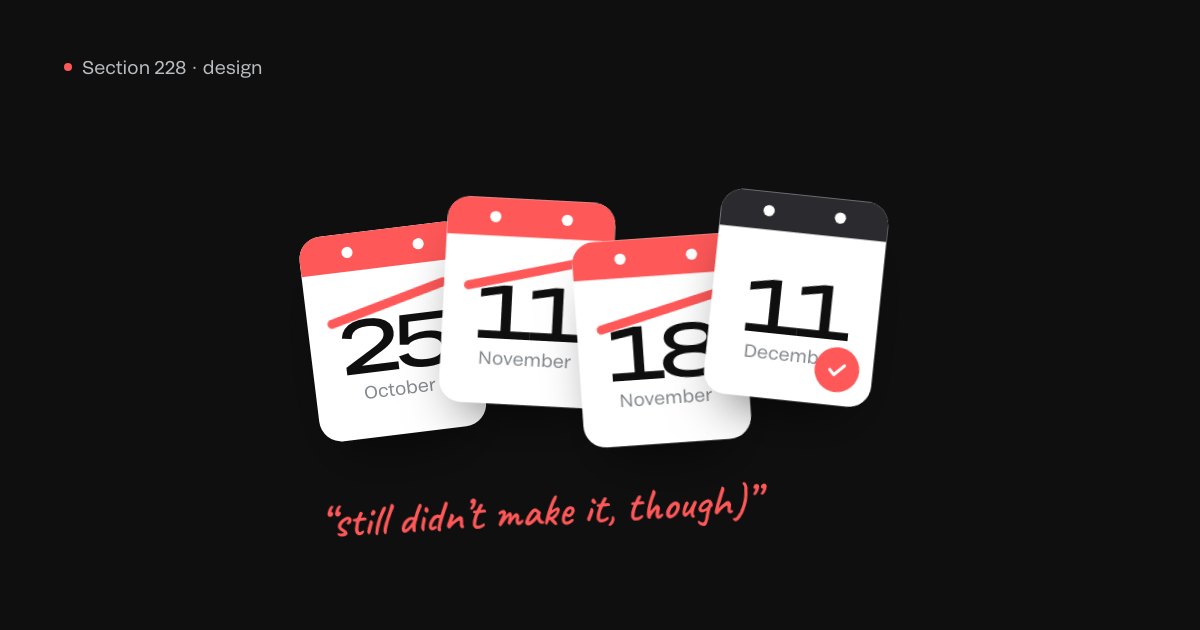
Then the handoff started slipping: from October 25 to November 11, then to the 18th, then we agreed on a week with no deadlines. A week later he wrote: "Not bad, made decent progress. Still didn't make it, though)". The finished design arrived on December 11, and then we kept finishing the website together for more than a year.
And this is why he's great. When Dmitry takes on a job, he already sees how to do it better. So he redoes it. Then he sees an even better way. It's a recursion, and that's exactly what produces design you look at and admire.
Once I asked how to get him to work faster, and got an honest answer. The funny part is that he doesn't like changing things because of other people's whims: "if the clients can't agree among themselves, I'm not going to redo everything five hundred times)". But his own work he redoes on his own, without anyone asking.
Emotion, not a picture
In November 2025 I needed a deck for the agency, so I went to Dmitry. When he handed it over, I wrote: "You're the best designer I know".
That deck grew into the Section 228 design system: our presentations and even the articles in this blog run on it.
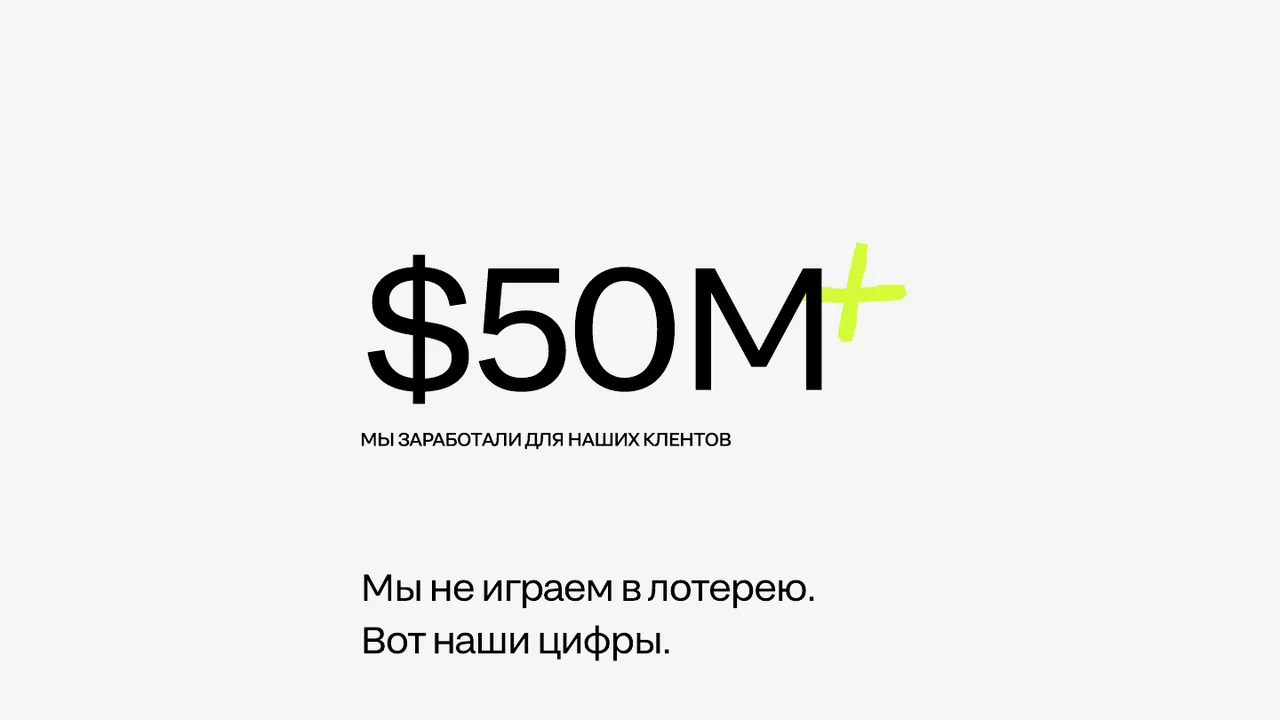
Section 228 deck · November 2025
“a first approximation, to show clients instead of PowerPoint”
You convey an emotion, not a picture, and that's what art is.
A video instead of a brief
Once Dmitry was supposed to tell a videographer what video to shoot about us. Instead of writing it up, he made it himself. In 2026 he also put together the intro for our home page by hand. He doesn't trust neural networks with this: "I don't support AI video". That said, he doesn't hate AI, he just spots it right away.
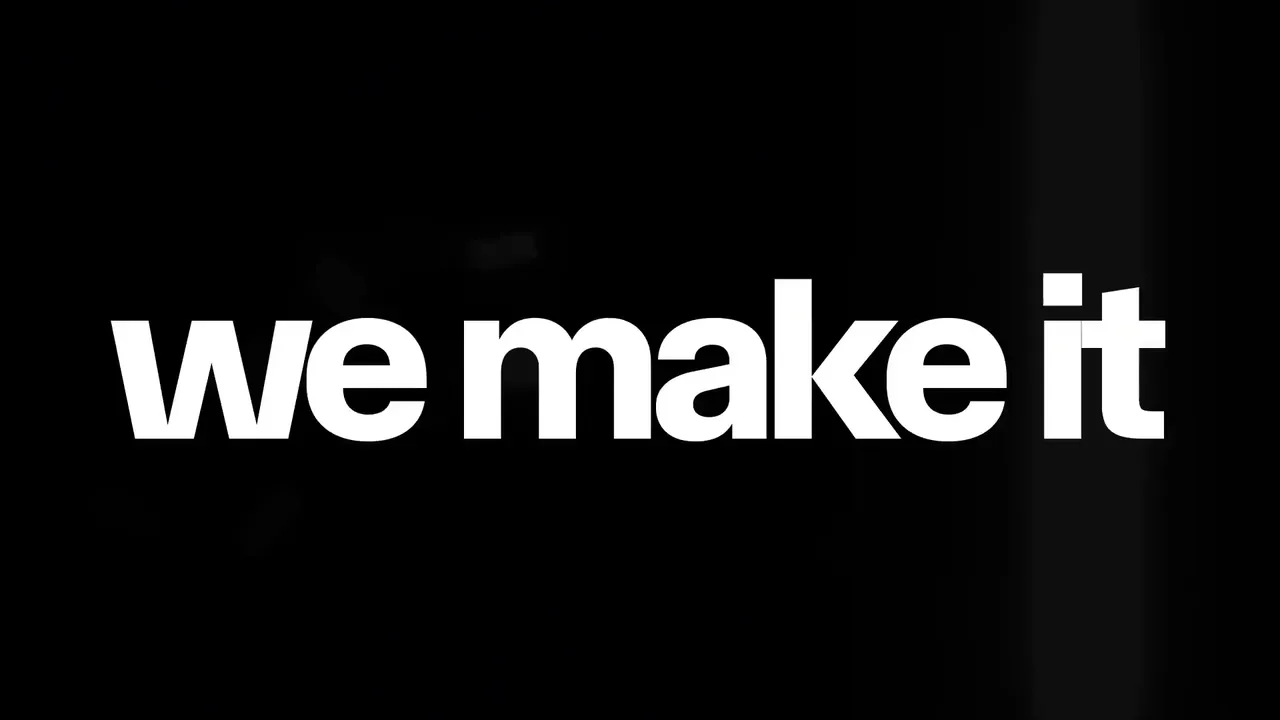
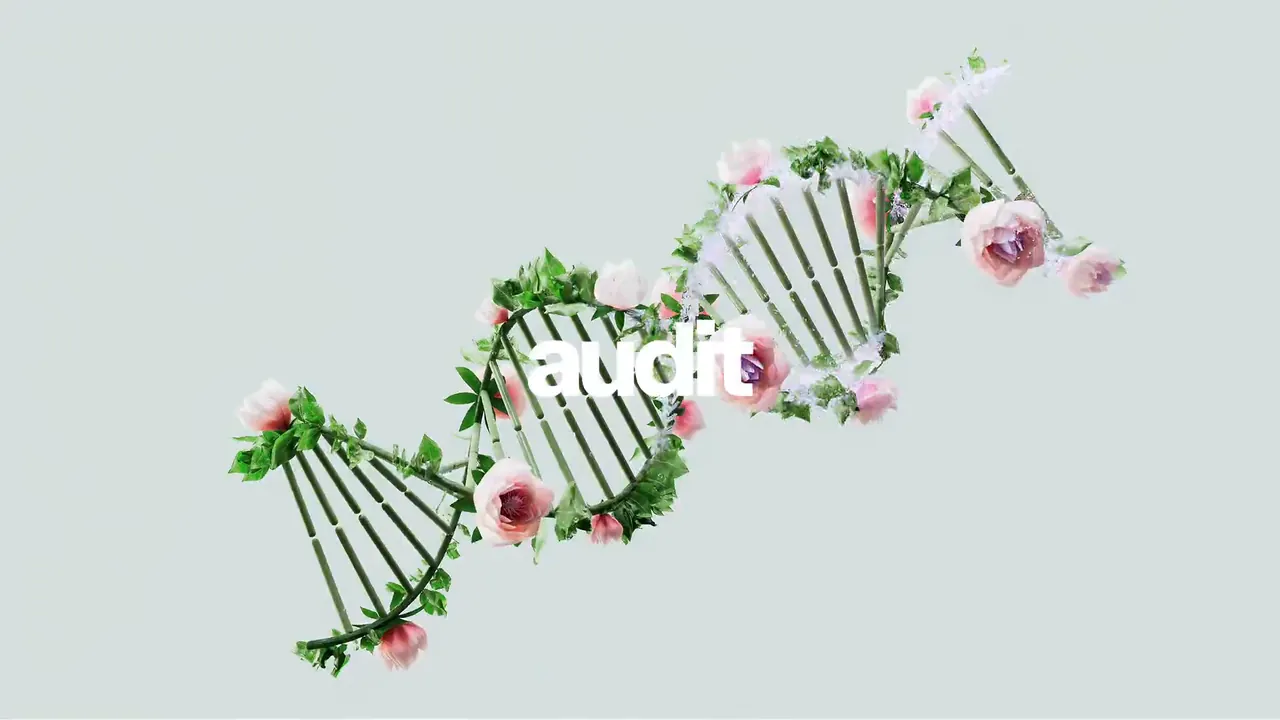
Video for the section228.com home page
we make itintroauditframe from the videomade by hand, no AI
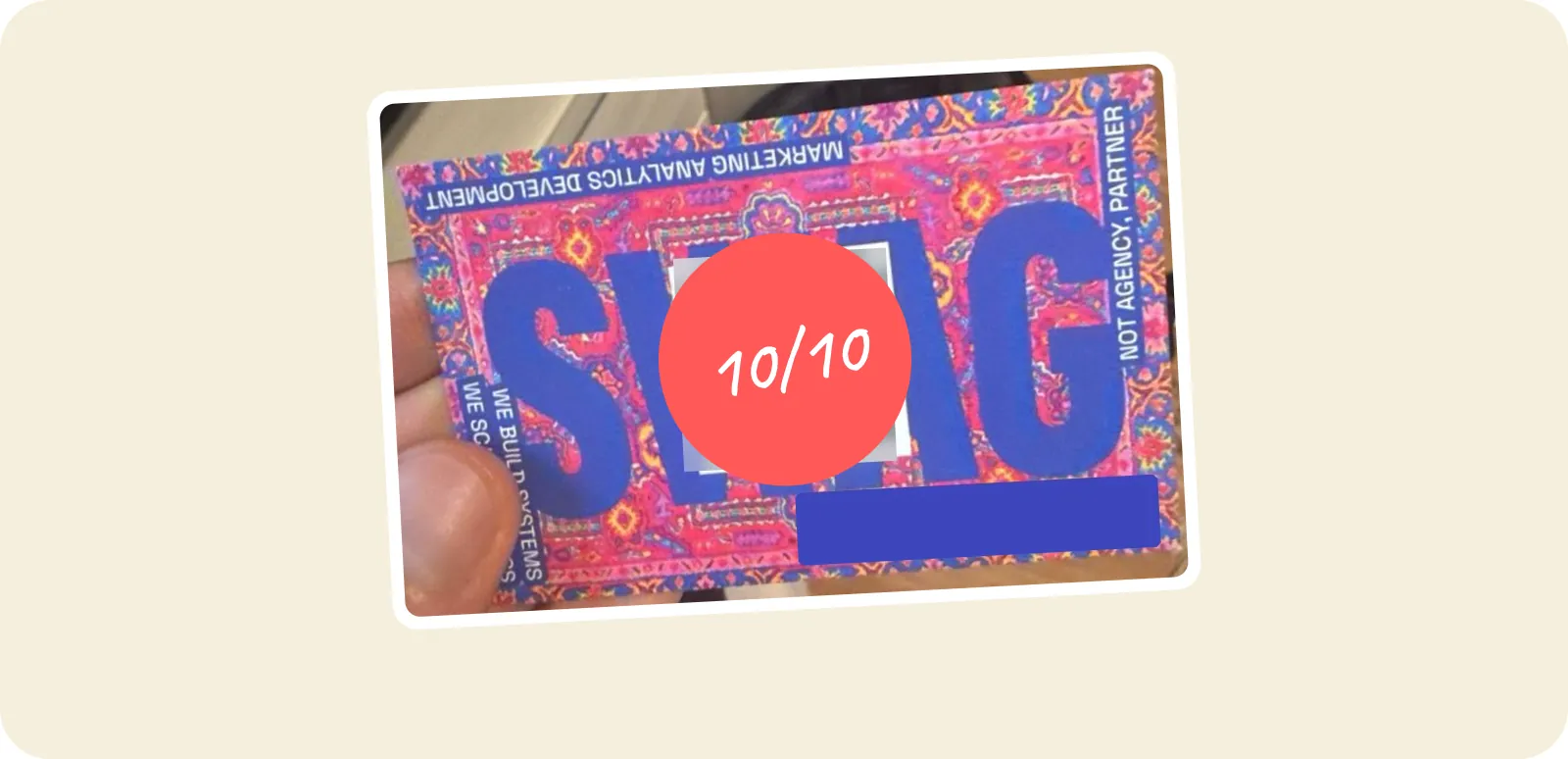
Business cards: 10 out of 10
Dmitry started the business cards with a table: who we hand them to and what a person should feel when they hold the card. Three concepts grew out of it.
The first one was called "Slavik, a startup from the stairwell". A deliberately cheap card, like a flyer on a lamppost: kraft paper, coffee rings and handwritten lines "WE SCALE IT, WE CONVERT IT, WE FIX IT, WE BUILD IT". On the back, a collage of street ads and the question "are we in or not?". The goal was simple: break what people expect from a digital agency.
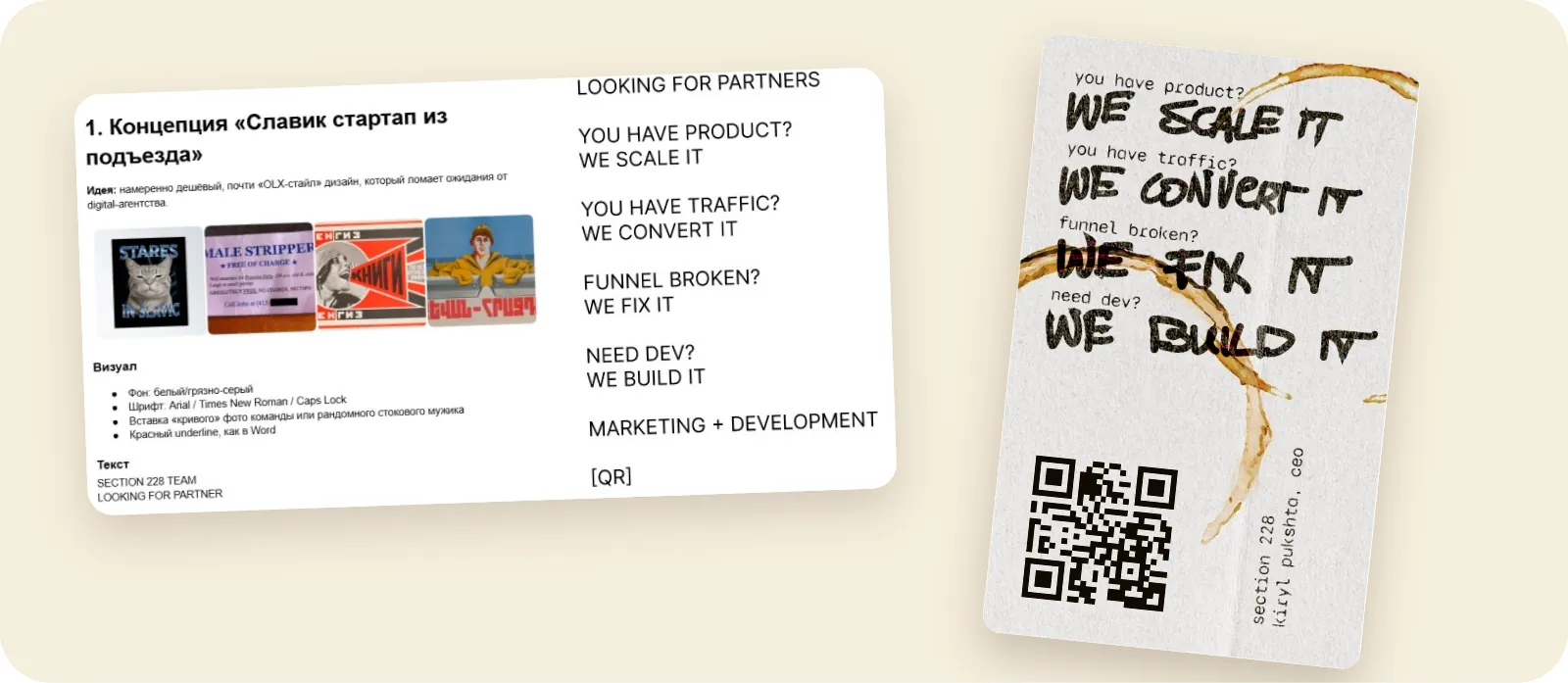
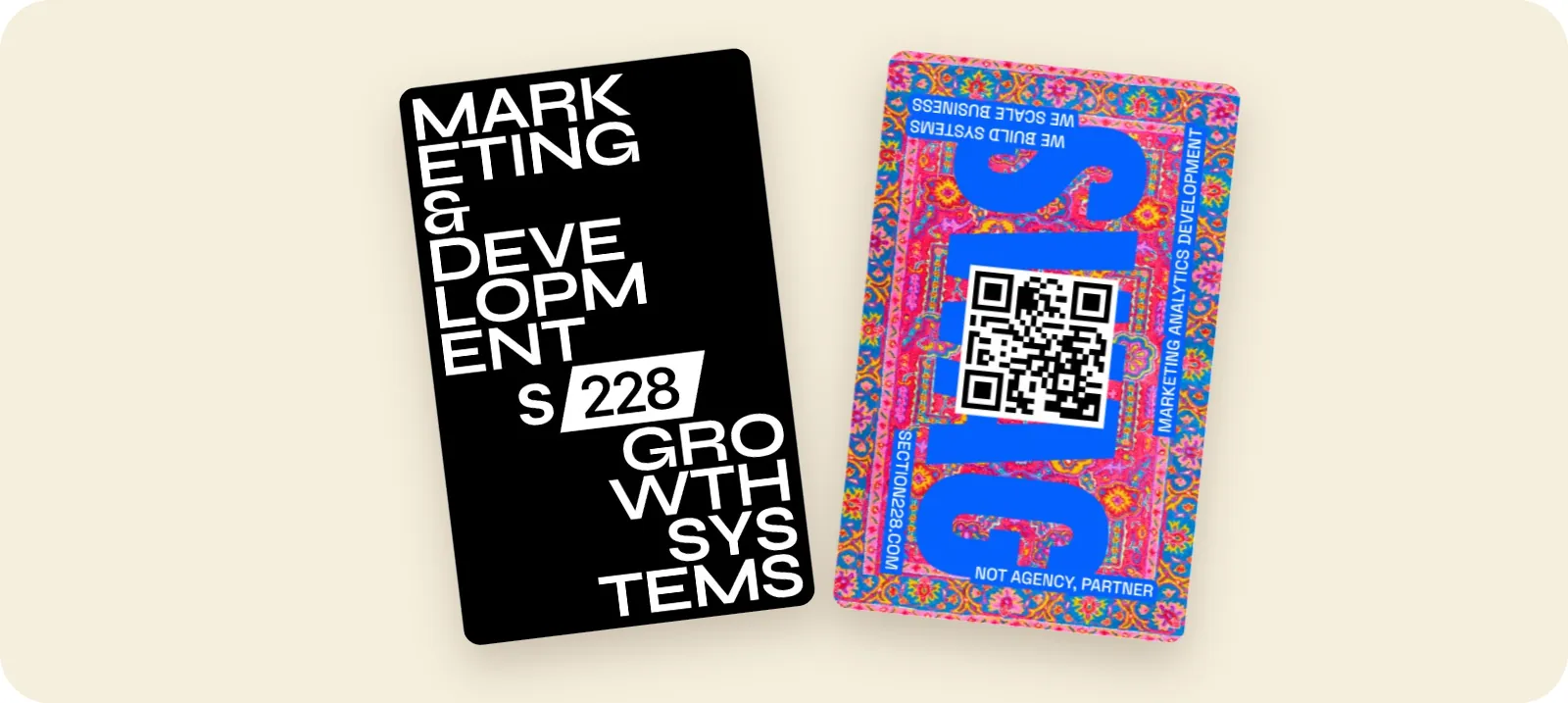
The second was "A serious card that breaks". On the front, a strict black Section 228, "Marketing & Development, Growth Systems". Flip it, and it's punk. Dmitry drew four different backs.
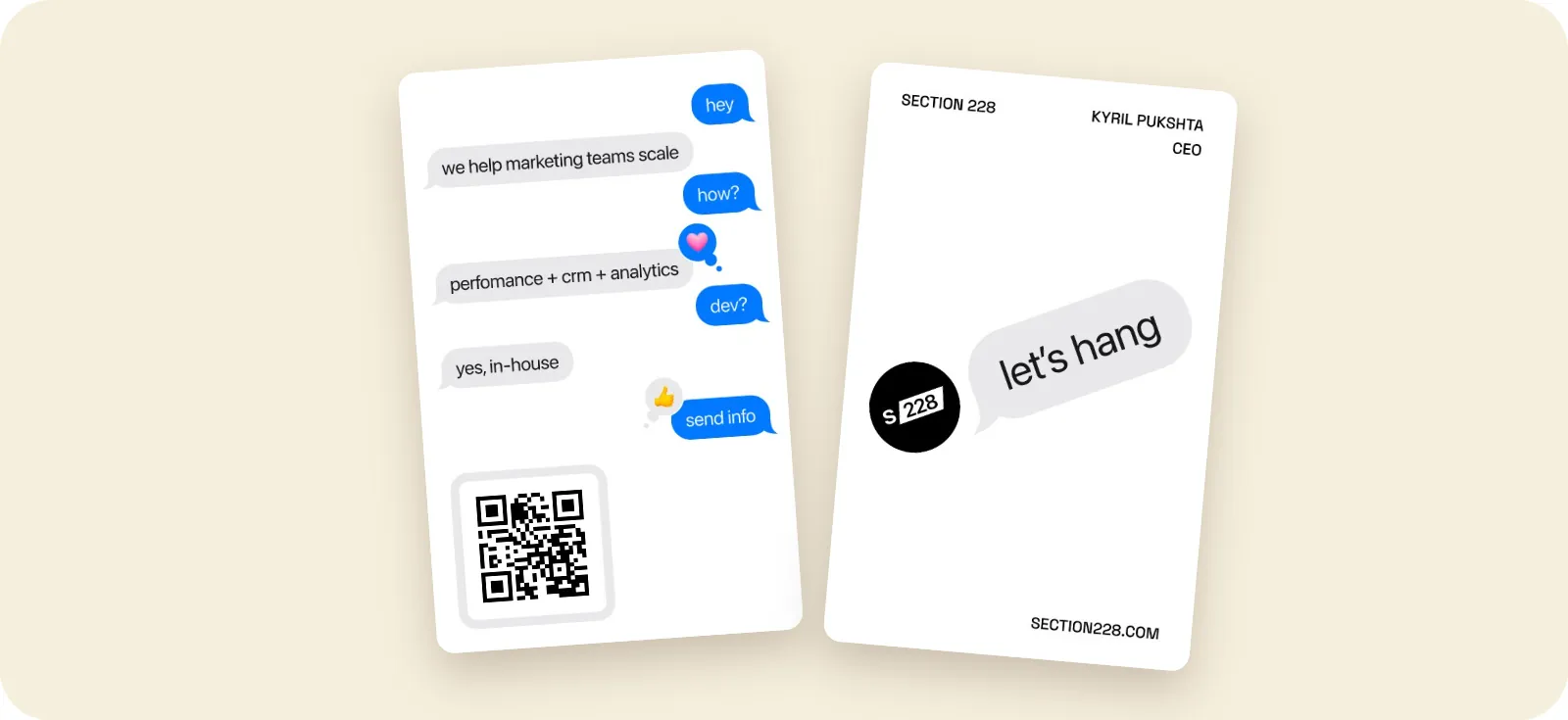
The third looked like a Telegram chat: bubbles "hey", "how?", "dev?" and "let's hang".
We printed the second one: a strict front and SWAG on a carpet on the back. The cards arrived in April 2026. The sticker from them now sits on the preview of every Section 228 link.
How we do design
| Stage | What the designer does | What the business gets |
|---|---|---|
| Questions | finds out who comes and what they need to see | it's clear what the design is for |
| Concept | puts the idea and the mood together in Figma | one idea for the whole brand |
| Design system | colors, fonts, blocks, rules | new pages and materials without redoing everything |
| Mockups | website, presentations, business cards, interfaces | everything in one style |
| Motion | video, animation, effects | people remember the brand |
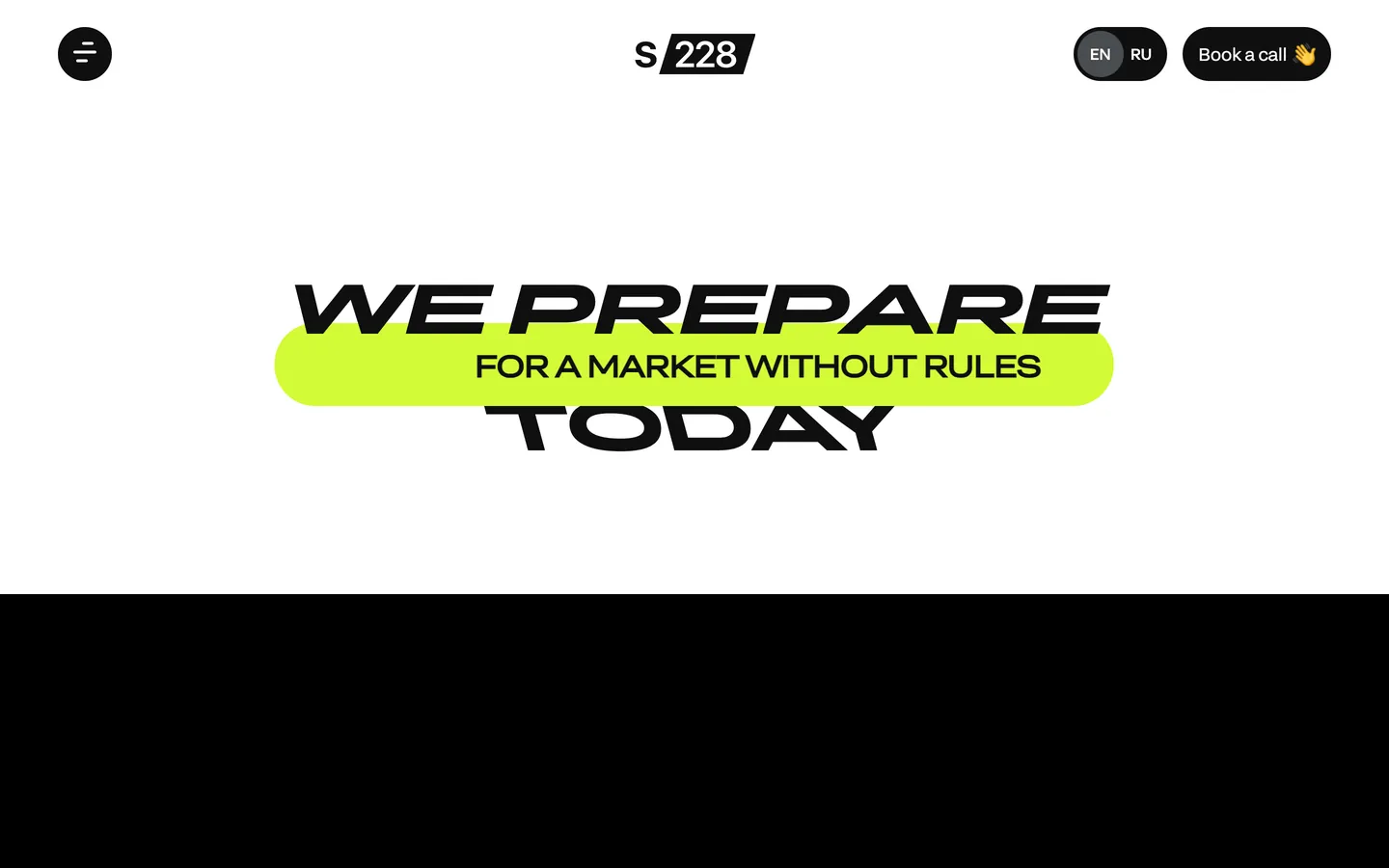
The section228.com website Dmitry designed
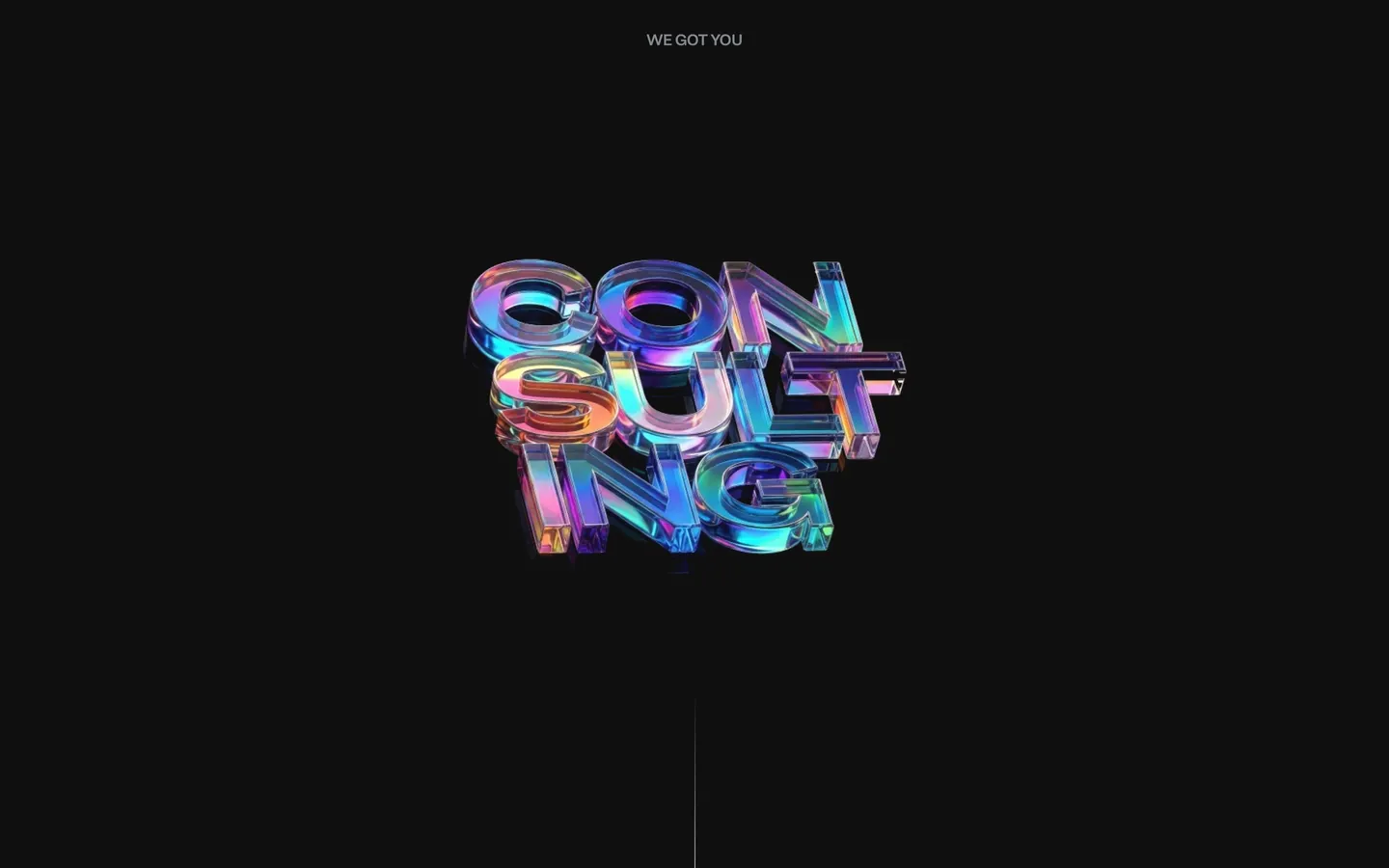
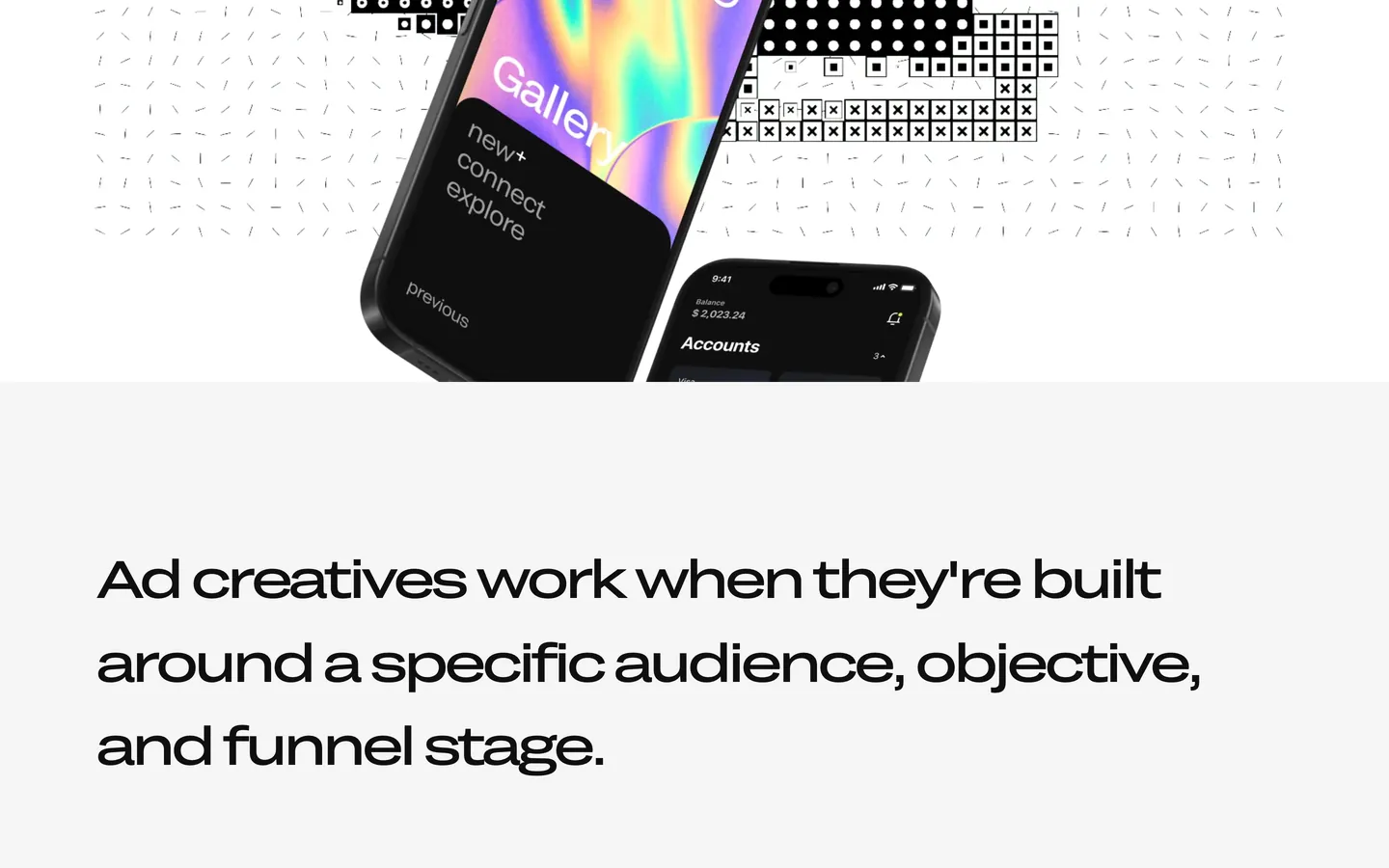
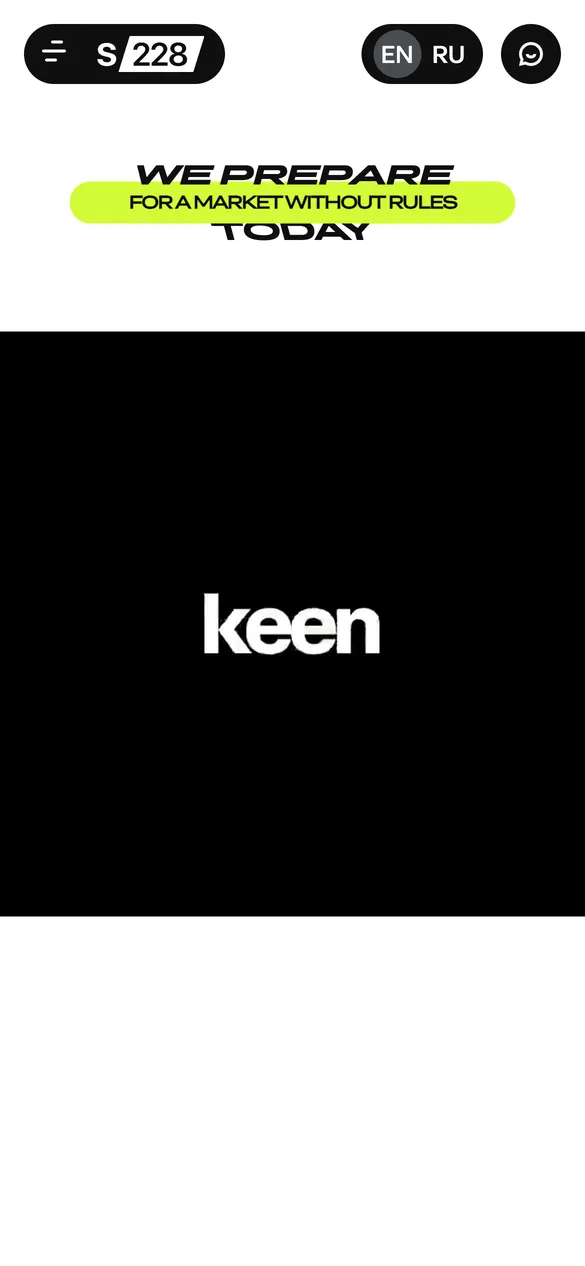
For us, design isn't "make it pretty". It's the answer to the question of what a business wants to tell people. Dmitry has his own rule for this: "let the programmers figure that out. The people who use your product shouldn't have to".
And the second one: he talks to the client directly. "When communication goes through two layers or more, the result suffers".
AI-ready design system: a game in any brand's colors in a minute
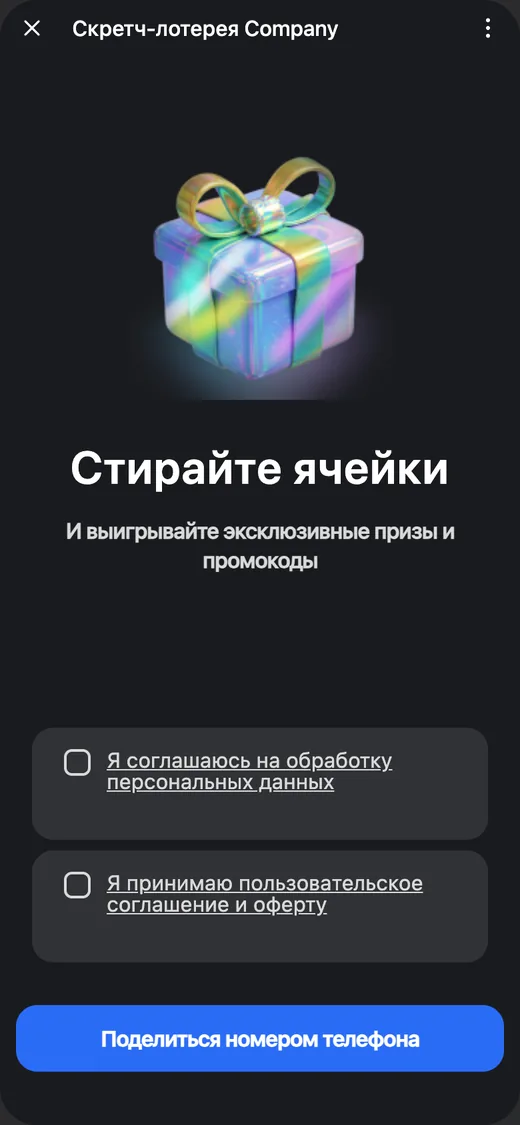
Dmitry designed RollDrop's game, a scratch lottery, in a way that turned it into a design system. Sizes, type, three cells and the prize list are fixed, while colors, images and copy are kept as data.
That's why AI repaints the game: we drop in a logo or a brand name, and a new theme is ready in under a minute.
RollDrop design system
One game. Any brand
We write a prompt, and AI repaints the whole game by the system’s rules: colors, 18 images, copy. The layout stays untouched.
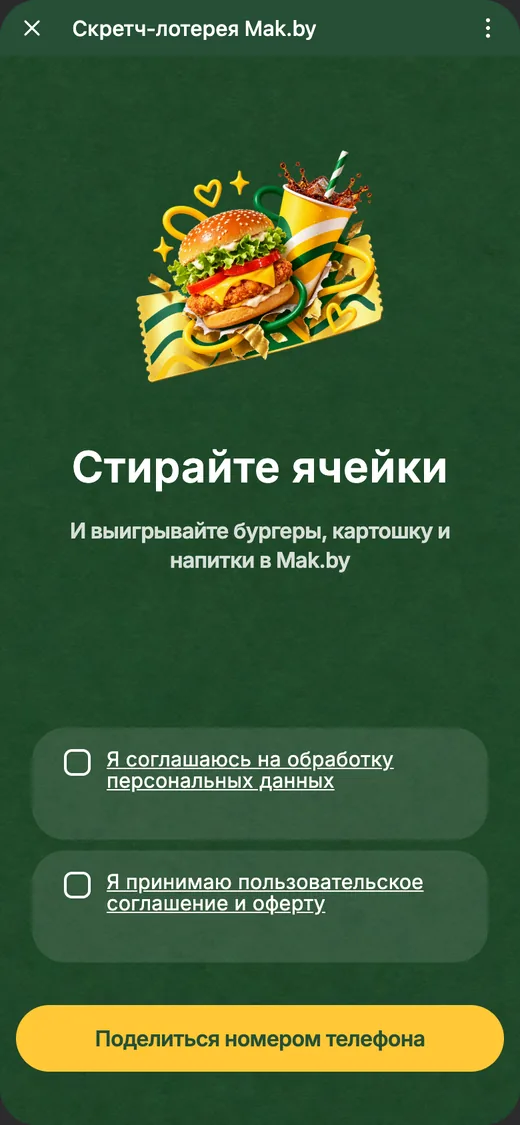
Welcome
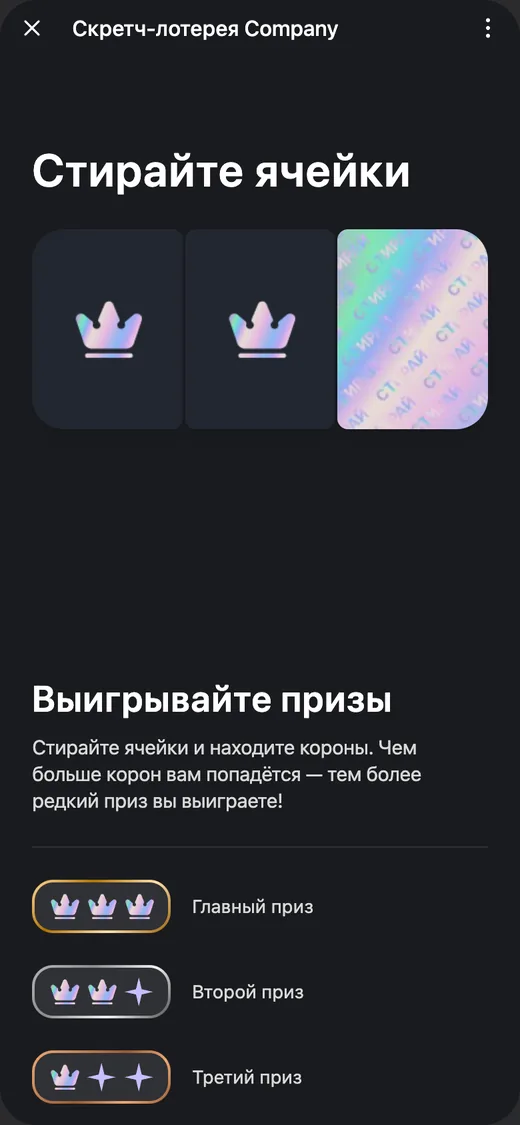
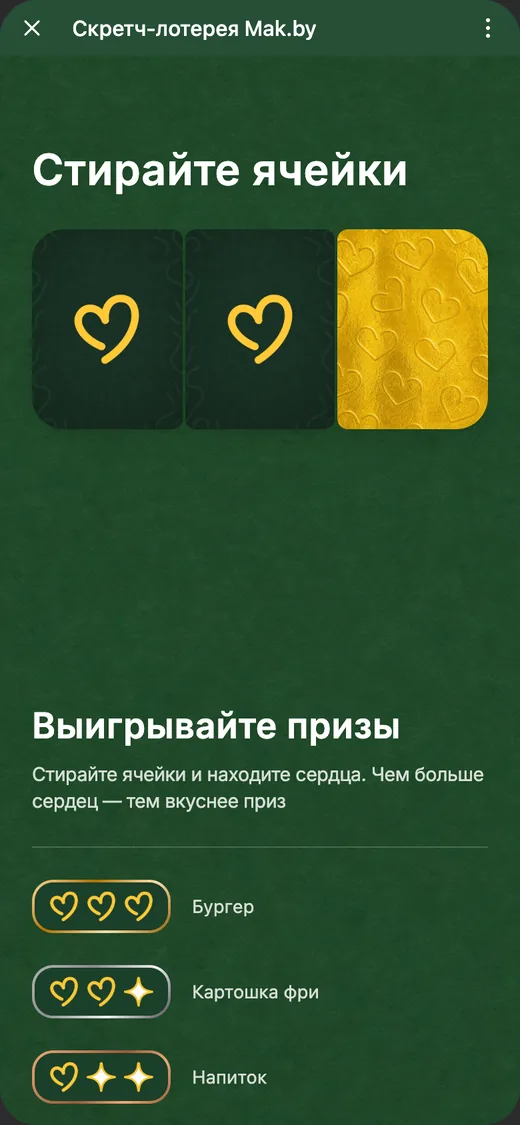
Game
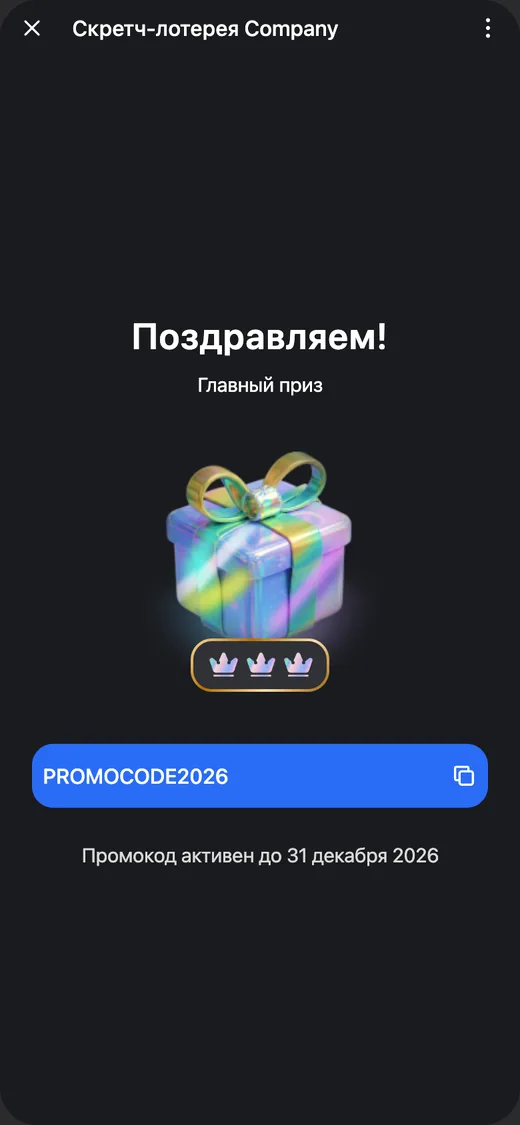
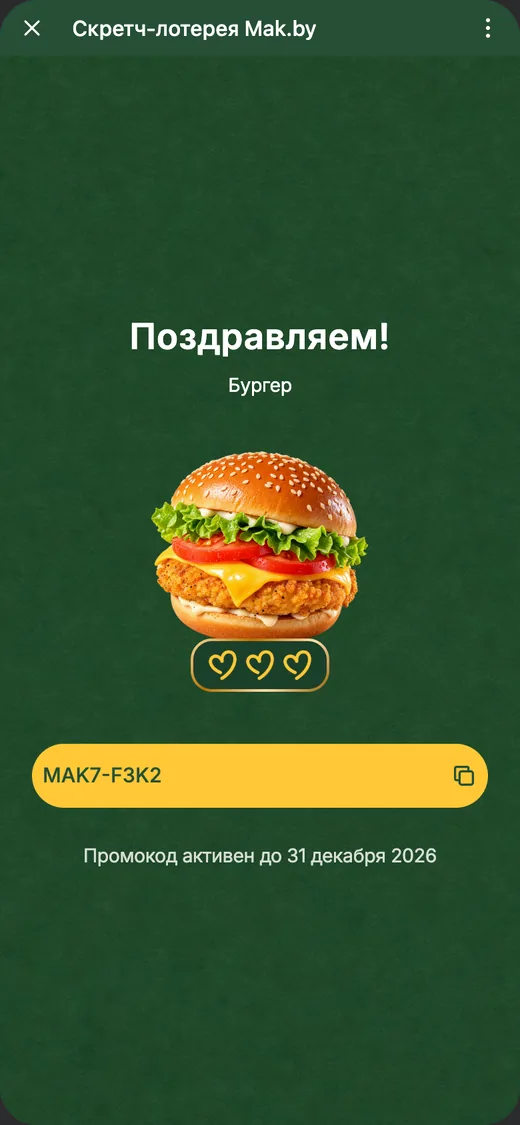
Win
How is that different from a UI kit in Figma? A person looks at a kit. A design system for AI gets read by a machine, so besides colors and fonts it spells out the rules in plain text: where the background has to stay calm, what proportions a cell cover has, how much contrast the buttons need.
We build systems like this for your brand too. Then you make presentations, ads, articles and games in your own style yourself, without a designer for every edit. We already run four of them, Section 228 and RollDrop among them.
Thank you, Dima
Once you wrote to me: "it's really cool that you live for your work and get a kick out of it". Well, that's about you too. We write this blog and draw our articles and presentations on your design system. Every time a client says "your stuff looks so good", that's your doing. Thank you for eleven years, for the recursion, and for working until it's good and makes sense.
Want a design by Dmitry?
A website, a brand identity, a presentation, an app interface or a video. We do it with love and don't hand it over until it's good.
We can also build you a design system that AI uses to make your materials on its own.
Leave a requestQuestions
- How does a designer work at an agency?
- First they ask questions about the business and its people, then put together the concept, the design system, and only after that the mockups: website, presentations, business cards, interfaces.
- Why is website design done in Figma?
- In Figma you see the whole website at once, edits are quick, and the developer takes exact sizes and colors straight from the mockup.
- What does a brand identity include?
- A logo, colors, fonts, graphics and the rules for how they work together on the website, in social media and on paper.
- How much does website design cost?
- It depends on the number of pages and the tasks. Leave a request, and we'll name the timeline and the price for your project.
- How do you set up a design system in Claude Design?
- Take your brand identity, write down its colors, fonts, blocks and rules as text the AI can read, and connect the system to the canvas. From there Claude Design draws presentations, ads and articles on brand. That's how we draw the articles in this blog.
- Why does an AI presentation maker ignore your brand style?
- It doesn't know your brand, so it uses its own templates. Your own design system fixes that: the AI takes colors, fonts and rules from it.
- Can AI replace a designer?
- A neural network makes pictures fast, but it doesn't answer the question of what a business wants to say. That's the designer's job.