Guests come and go: why the loyalty program isn't working at a petting farm, and what to try instead
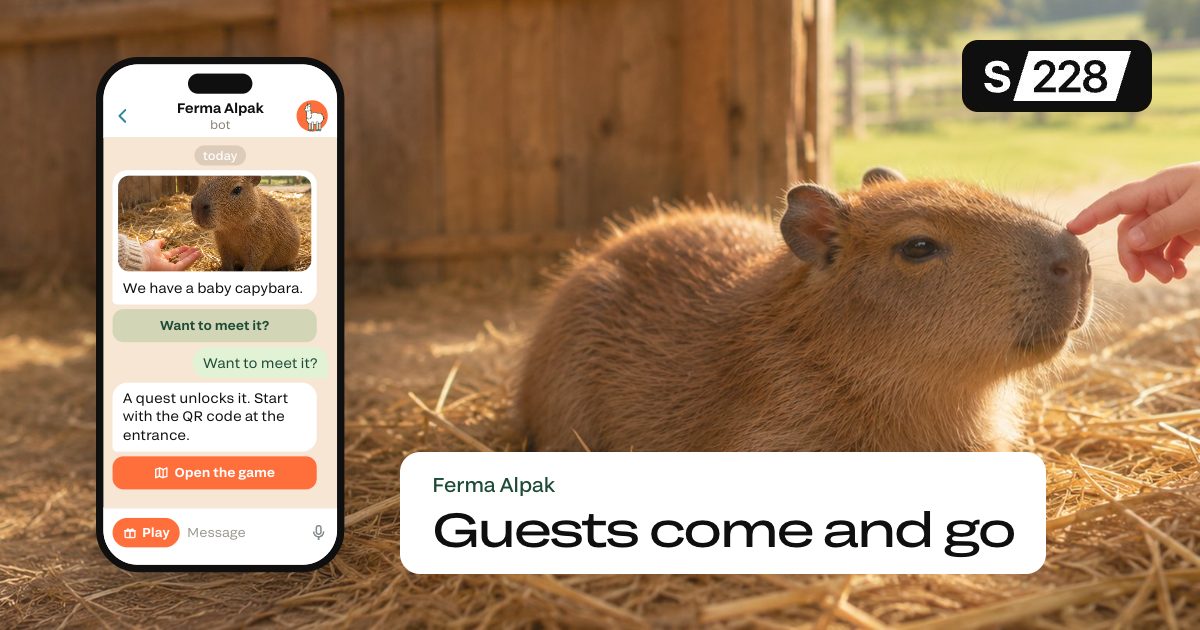
Ferma Alpak runs a chain of alpaca petting farms in Russia. People come once a season, pet the alpacas and drive home, and the business knows almost nothing about them. There is a loyalty program, but it just sits there: guests have no reason to collect points. We suggested giving them a reason to come back instead: a chance to meet a baby capybara. Here's how that builds a customer database, and why the farm needs one.
Why your loyalty program isn't working when guests come once a season
A farm isn't the corner grocery store. Nobody drops by every other day, so collecting points makes no sense. At the till the guest hears "Can I get your phone number?" and thinks: what for? Staff type the number in by hand, and some of them get it wrong. The card ends up as a row in a database nobody uses. That's why the loyalty program does next to nothing here, however many cards you hand out.
Loyalty isn't a sales tool. It's a way to digitize your customers, and you still have to get people to use it.
Why an offline business needs a customer database
Digitizing your customers means turning someone who came and went into a contact. You know who visited, who they came with, what they bought and whether they came back. Without that, the only way to bring someone back is advertising. With a database you get a second way back: a message in the bot.
| What the business knows about a guest | Today | With the game |
|---|---|---|
| Who came | almost nothing, the number is typed in by hand | the guest joins the bot by scanning a QR code |
| Whether they came back | nobody can tell | the second visit shows up in the game |
| How to invite them again | ads only | a message in the bot, plus ads |
| What a guest brings in over time | impossible to work out | LTV by guest segment |
| What to pay for ads | per single visit | per guest, based on their LTV |
The last row matters most. Once you can see customer LTV, you set the acquisition budget against every visit a guest makes. One ticket stops being the ceiling.
Building loyalty without discounts: pet the baby capybara
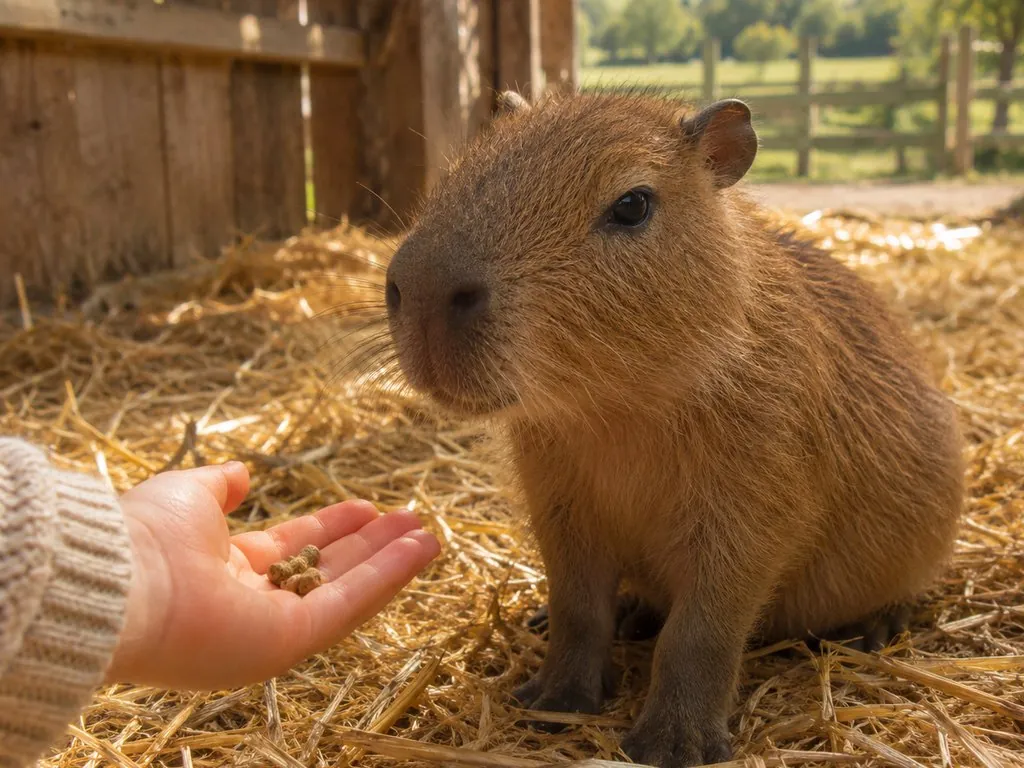
A baby capybara was born at the farm. Not everyone gets to hold it, so we made meeting it the prize: finishing a quest gets you an introduction, and you get to pet it from your second visit.
A discount says "buy a ticket". A reason says "let's drive out of town and pet the baby capybara". So we suggest pointing the ads at the quest: creatives about the baby capybara, a contest to name it, a game for kids.
| Points card | Game with a reason to return | |
|---|---|---|
| What's in it for the guest | saving up for a visit that may never happen | petting the baby capybara on the second visit |
| How the guest gets into the database | reads out a phone number at the till | scans a QR code themselves |
| What the business sees | a number, often wrong | their route around the farm, purchases, the second visit |
| Reason to message the guest | a discount | "the baby capybara has grown", a new quest |
| What we measure | how many cards were issued | what share of guests are in the database and came back |
A gamified loyalty program in a Telegram mini app
Nothing to download: the guest opens the game by scanning a QR code at the entrance. It runs as a Telegram mini app or in MAX, a Russian messenger. We build the game on our own product, RollDrop.
| Step | What the guest does | What the business gets |
|---|---|---|
| 1 | sees an ad about the baby capybara | a click into the quest, not just to a ticket |
| 2 | scans the QR code at the entrance | the guest's contact in the database |
| 3 | checks in at the QR point by each alpaca | what the family is into and how long they stay |
| 4 | buys feed and merch at the farm shop and keeps it in the game | purchases tied to the guest |
| 5 | finds out the baby capybara is waiting for their next visit | a reason to message them a week later |
| 6 | comes back | a second visit and the first line of LTV |
Staff don't have to do anything new: the QR codes hang where guests already feed and pet the animals.
- 2at the entrance
- 3by each alpaca
- 4shop
- 5baby capybara
What changes once the guest is in the database: segments and customer LTV
The guest does more at the farm than usual: checks in at the points, feeds the animals, buys things, looks forward to the next meeting. And starts to feel like a regular, because they have a baby capybara there they know by now.
The business, in turn, sees what works and where. Guest segments, who came back and who didn't, who comes with kids. Messages can be about something real: "the baby capybara has grown", "a new quest for summer". It's the same segment work we did for the delivery service Mak.by, only offline.
What to take away for petting farm marketing and other offline businesses
- Give guests a reason to come that your competitors don't have, not a discount
- Put QR codes where guests are already doing something
- Let them join through Telegram, no app, no forms
- Make the second visit the main prize
- Measure what share of guests are in the database and actually use it, not how many cards you issued
- Point your ads at the reason, not the ticket
How we build systems like this: customer retention. How we measure the return: marketing analytics.
What we haven't tested yet
We put the strategy together in September 2026, based on the farm's data and conversations with the team. The game hasn't launched yet, so there are no results in numbers here. Once it's live, we'll update this post with what worked and what didn't.
Let's build your guest database with a game
Guests come and go? We'll build a Telegram game and bot that capture your guests and bring them back.
FAQ
- Why doesn't a loyalty program work for a business with rare visits?
- There's nothing to save up for: the guest comes once a season and sees no point in giving their number. You need a reason that pays off on the day.
- How do you build a customer database when guests come once a season?
- Put QR codes where guests are already doing something, and have each one open a Telegram bot. No app, no forms.
- Can you run a loyalty program in Telegram without an app?
- Yes. A Telegram mini app opens from a QR code, so the guest has nothing to download.
- How do you tell if a loyalty program is working?
- Look at penetration: what share of guests are in the database and use the program. The number of cards issued tells you nothing.
- What is a loyalty bot?
- A Telegram bot where guests join the program by scanning a QR code, collect purchases and get messages. No forms, no plastic cards.
- Why does an offline business need LTV?
- To know how much you can spend to win a guest if they're going to come back.